Safe Male Circumcision (SMC)

Safe Male Circumcision (SMC)

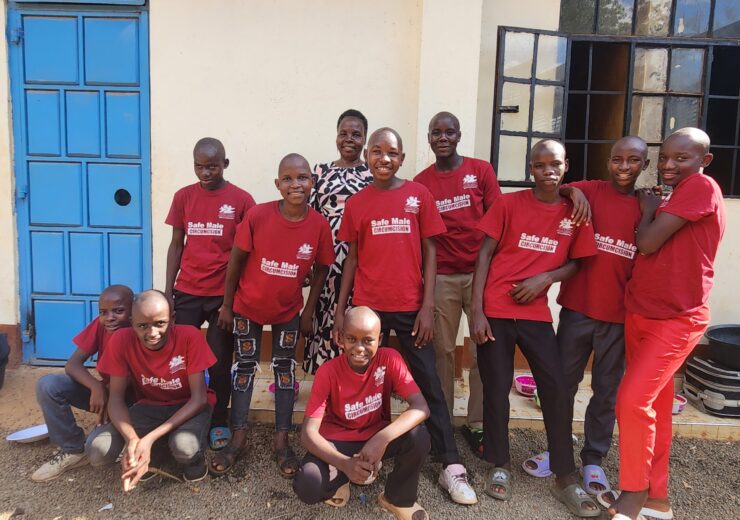
In Tharaka, rites of passage have long held deep cultural significance, marking the transition from childhood to adulthood. But while girls receive mentorship and protection through ARP, traditional practices have often exposed boys to unsafe circumcision procedures. TWWP’s Safe Male Circumcision (SMC) initiative redefines this transition for boys offering a modern, safe, and culturally relevant alternative that protects their health while empowering them as advocates for gender equality.

What makes the program unique is its respect for cultural values: it preserves the importance of initiation while aligning it with modern standards of safety and dignity. Boys still undergo a rite of passage just one that affirms life, health, and community responsibility, through safe, medically supervised procedures.
More Than a Procedure

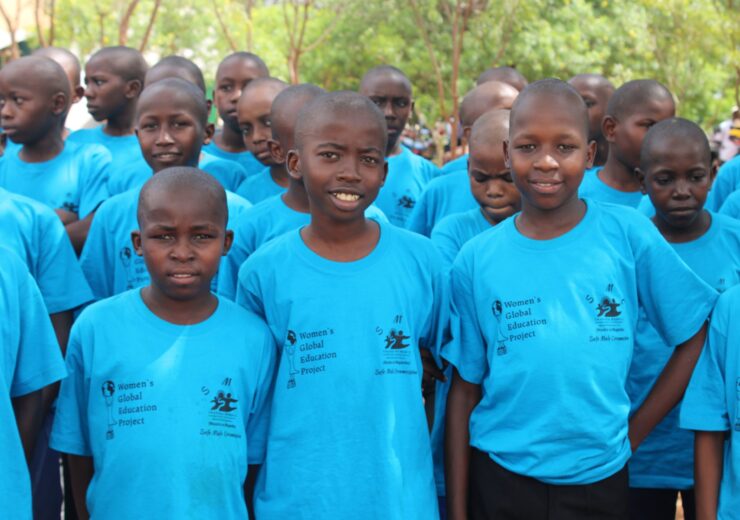
SMC goes further than the circumcision itself. Each boy who takes part receives:- Mentorship in life skills, Education on FGM awareness, Guidance on building respectful, supportive relationships with girls, Encouragement to become a role model and vocal advocate against FGM

By fostering dialogue on positive masculinity, health, and gender equality, the program turns a boy’s rite of passage into a platform for leadership and change building communities where both genders are informed and empowered.

Our Impact

724 boys have received mentorship in life skills, education on FGM awareness, and guidance on building respectful, supportive relationships with girls
Boys are engaged as peer advocates in TWWP's broader Community Sensitization Program, helping mobilize fellow youths and fathers to stand in support of their sisters and daughters
The program reflects TWWP's belief that lasting change against FGM requires bringing men and boys into the movement — since in Tharaka, men are seen as the custodians of culture
IMG_1786
20251218_150744

About Us

Founded in 1996 as Ntanira Na Mugambo (Circumcision with Words), Tharaka Women Welfare Programme pioneered Kenya’s first Alternative Rite of Passage, proving that communities can preserve culture while protecting the rights, health, and future of girls. 

Today, TWWP empowers women and children through education, literacy, digital skills, and sustainable livelihoods.